
Farm Equipment Maintenance Checklist for Long Life
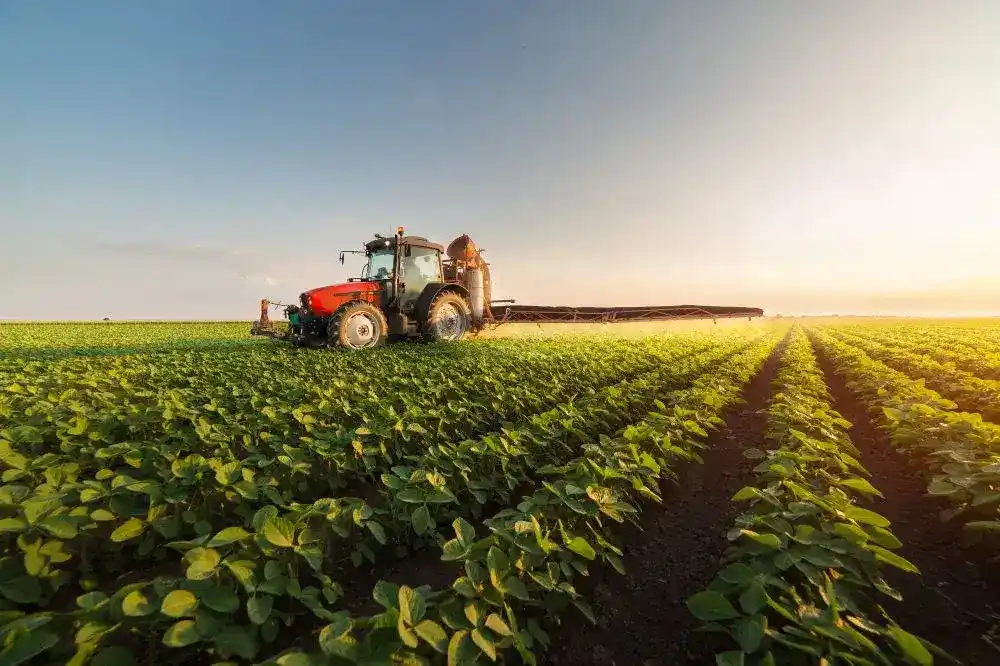
Follow this farm equipment maintenance checklist to extend the life of your agricultural machinery. Learn essential maintenance tips for tractors, harvesters, and farm tools.
Introduction
Farm equipment is one of the most valuable investments for farmers. Machines such as tractors, harvesters, seed drills, and irrigation systems help farmers increase productivity and manage large agricultural operations efficiently.
However, farm machinery works in harsh environments involving dust, mud, moisture, and heavy loads. Without proper care, these machines can wear out quickly and lead to costly repairs or downtime during important farming seasons.
A proper farm equipment maintenance checklist helps farmers keep their machinery in excellent condition, extend equipment lifespan, and improve overall efficiency.
In this guide, we will explore a complete farm equipment maintenance checklist for long life, including daily, weekly, seasonal, and annual maintenance tasks.
Why Farm Equipment Maintenance Is Important
Proper maintenance plays a crucial role in ensuring reliable farm operations.
Benefits of Regular Maintenance
1. Longer Equipment Lifespan
Well-maintained machines last significantly longer.
2. Reduced Repair Costs
Preventive maintenance helps avoid expensive repairs.
3. Improved Performance
Maintained machines operate more efficiently.
4. Reduced Downtime
Routine inspections prevent unexpected breakdowns.
5. Better Fuel Efficiency
Clean and properly serviced engines consume less fuel.
Regular maintenance ensures farm equipment performs optimally throughout the farming season.
Daily Farm Equipment Maintenance Checklist

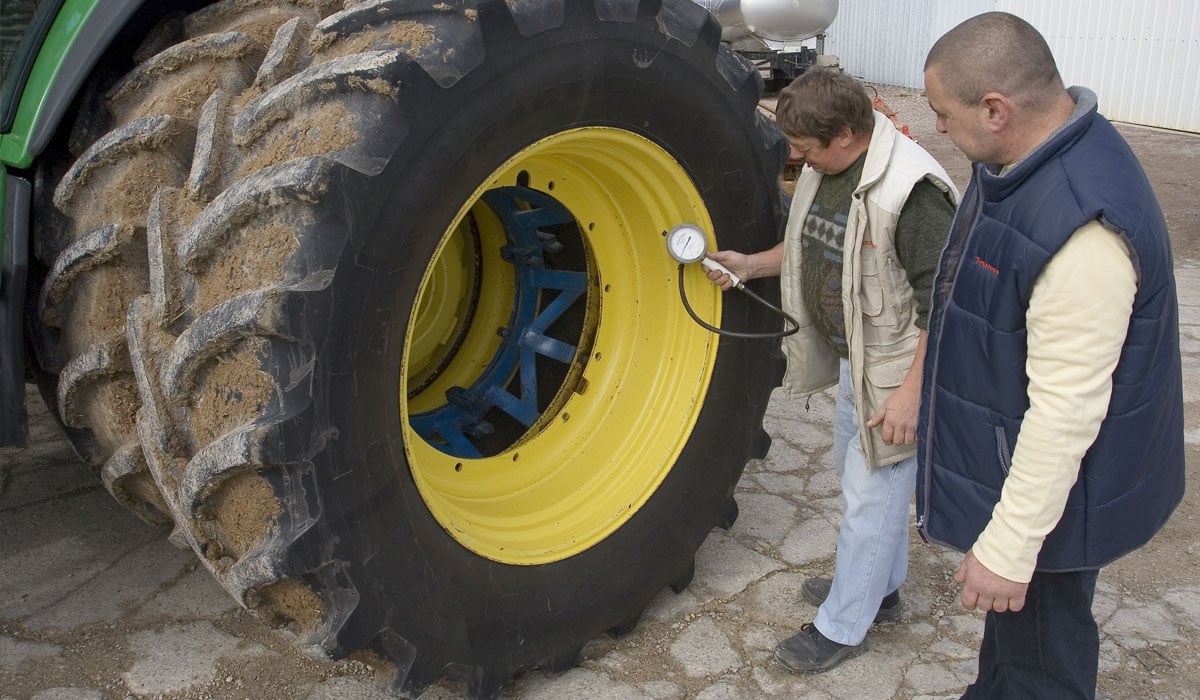
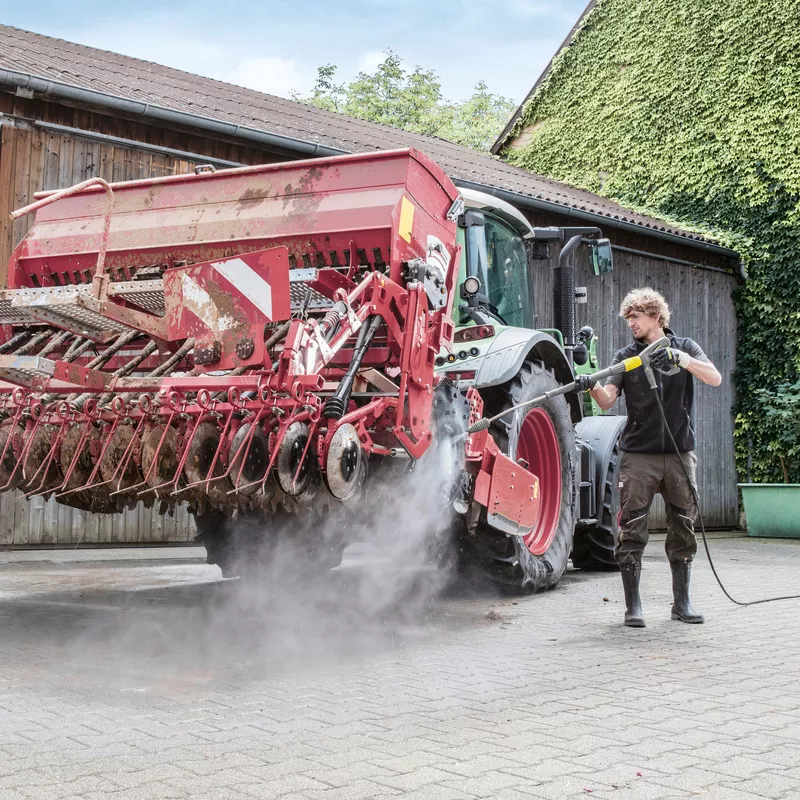
Daily inspections help identify small issues before they become major problems.
Daily Maintenance Tasks
- Check engine oil levels
- Inspect fuel levels
- Examine hydraulic fluid levels
- Check tire pressure and tire condition
- Inspect belts and hoses for wear
- Clean dirt and debris from machinery
- Check lights and electrical systems
Spending just a few minutes each day inspecting equipment can prevent major mechanical failures.
Weekly Maintenance Checklist
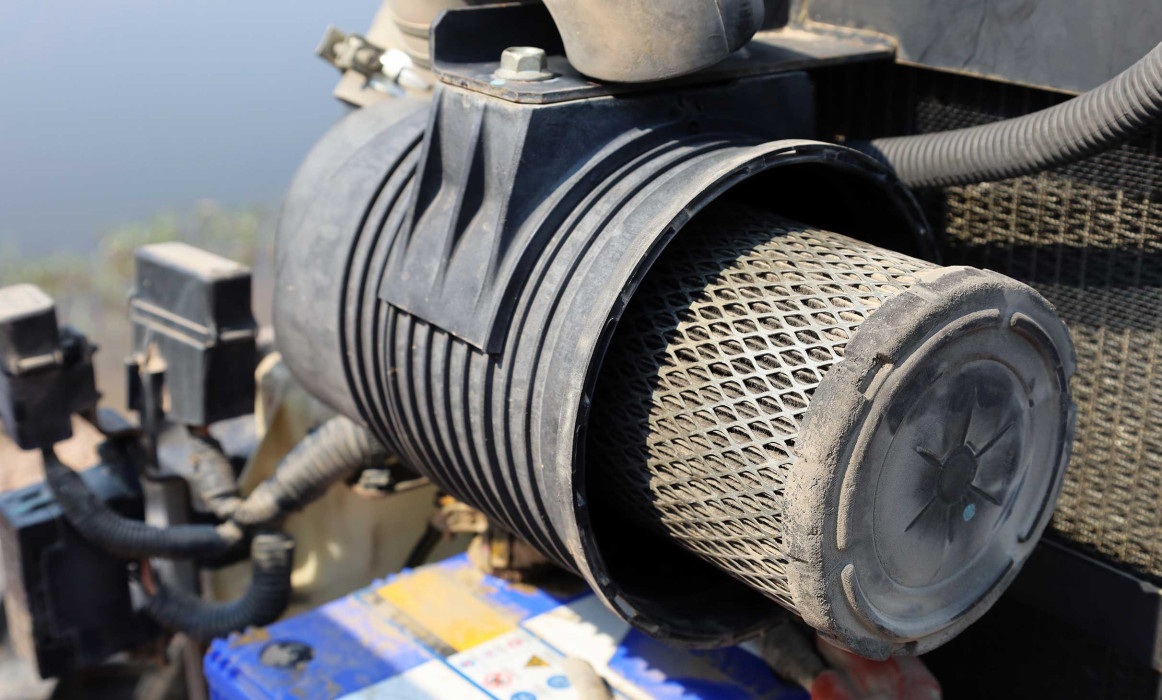
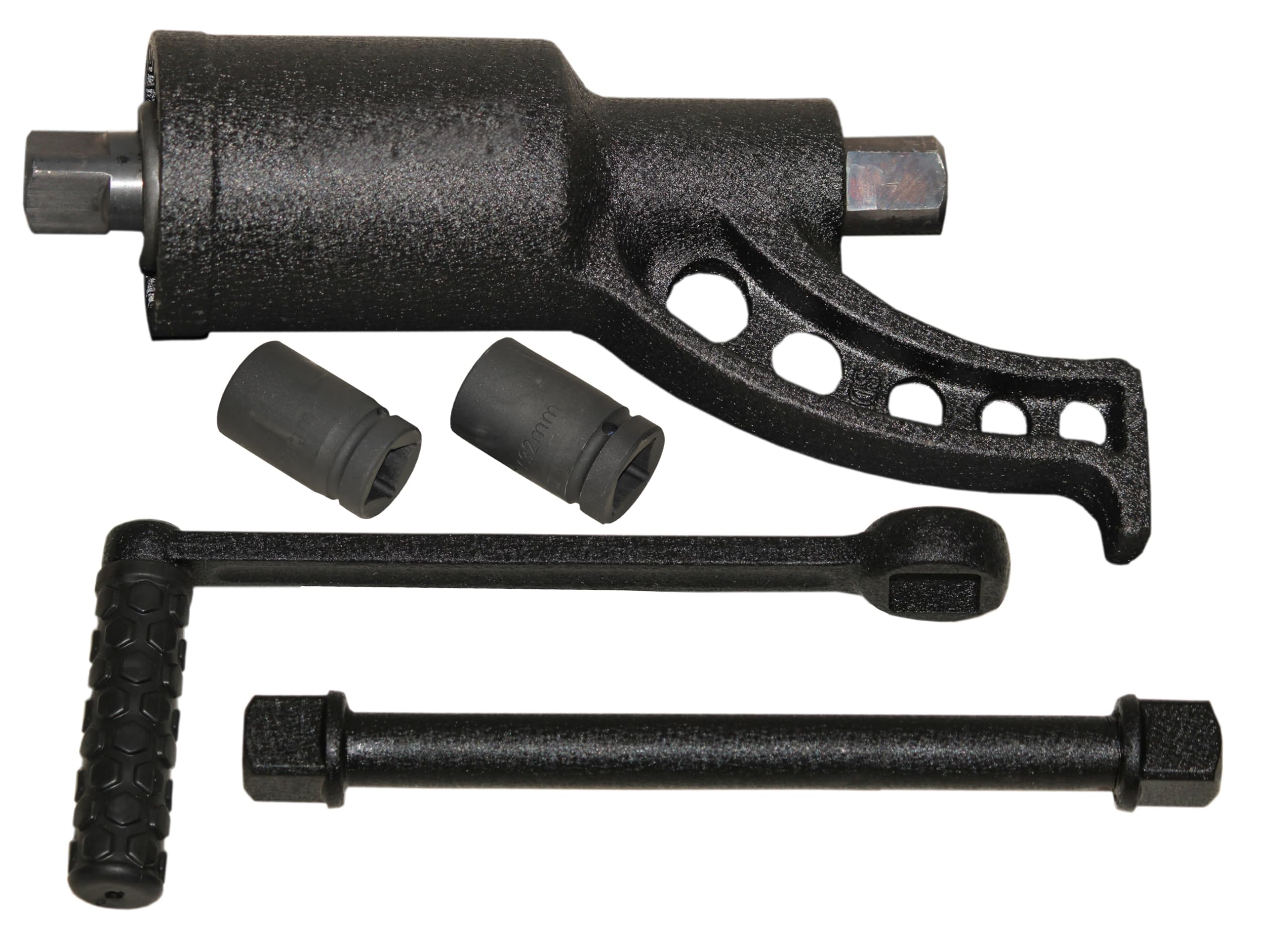
Weekly maintenance tasks help ensure all machine components remain in good condition.
Weekly Tasks
- Clean air filters
- Lubricate moving parts
- Tighten loose bolts and nuts
- Inspect battery connections
- Clean radiator and cooling system
- Check brake performance
Weekly inspections reduce the risk of mechanical failure during busy farming periods.
Monthly Equipment Maintenance Checklist


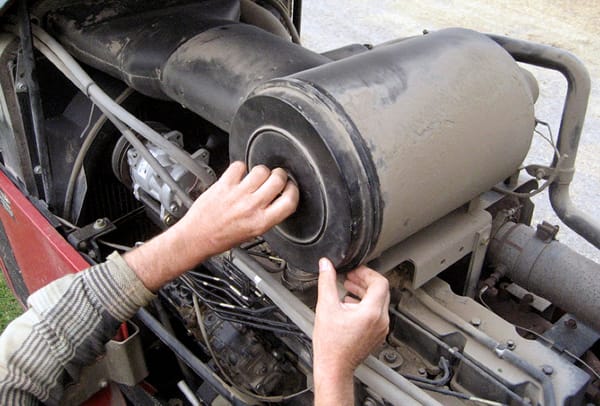
Monthly maintenance focuses on deeper inspections and fluid checks.
Monthly Tasks
- Replace or clean fuel filters
- Inspect hydraulic hoses for leaks
- Check transmission oil levels
- Inspect belts and pulleys
- Test battery performance
- Examine safety systems
These inspections help maintain machine reliability over time.
Seasonal Farm Equipment Maintenance

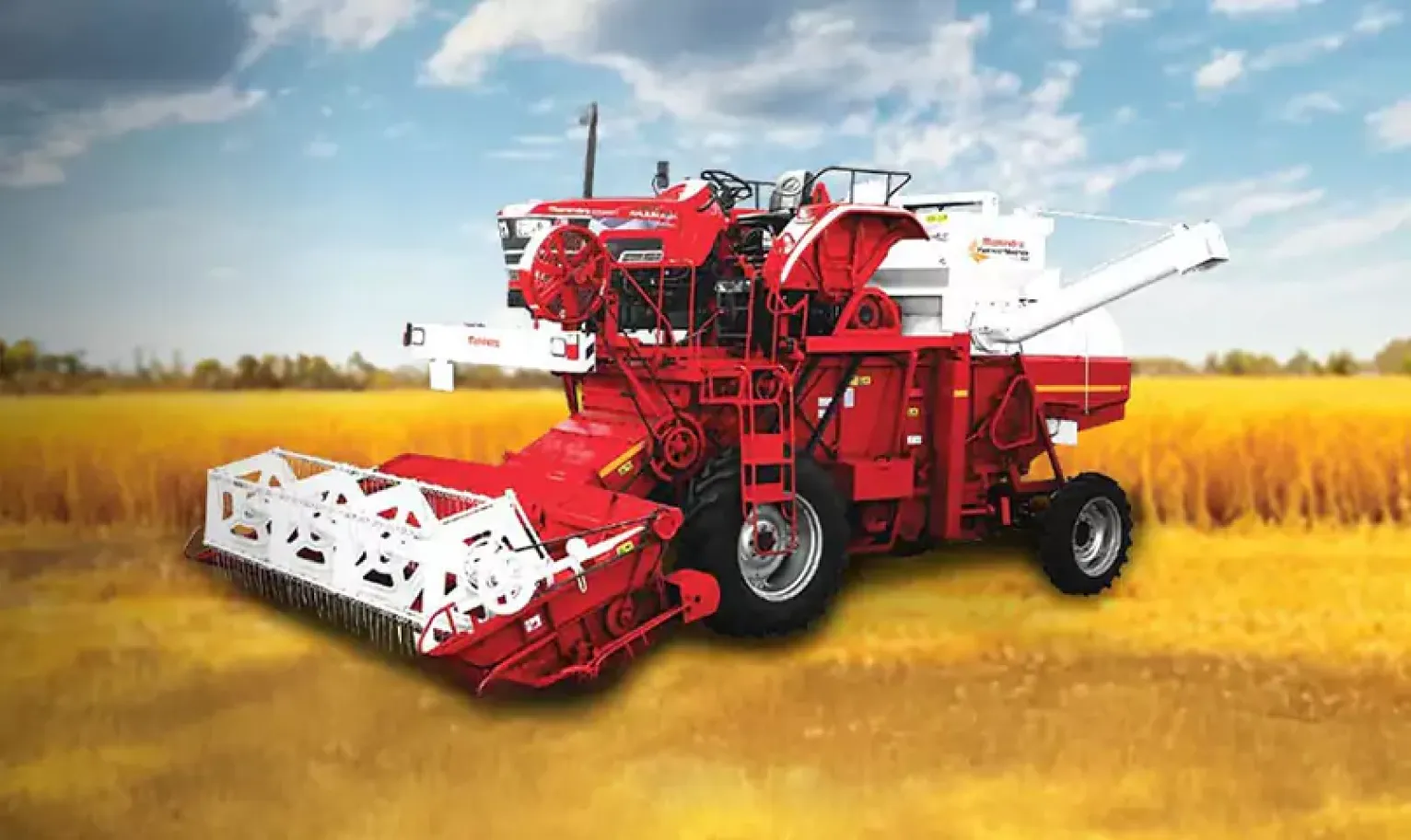
Seasonal maintenance prepares farm machinery for heavy workloads during planting and harvesting seasons.
Pre-Season Maintenance
- Change engine oil and filters
- Inspect hydraulic systems
- Check cooling systems
- Test electrical systems
- Inspect implements and attachments
Post-Season Maintenance
- Clean equipment thoroughly
- Repair damaged parts
- Apply rust protection
- Store machines in dry shelters
Seasonal servicing helps ensure machines are ready when needed most.
Lubrication and Oil Maintenance


Proper lubrication is essential for preventing friction and wear in moving parts.
Lubrication Tips
- Use manufacturer-recommended oils
- Grease joints and bearings regularly
- Change engine oil at recommended intervals
- Monitor oil levels frequently
Good lubrication significantly extends the lifespan of farm machinery components.
Tire Maintenance for Farm Equipment

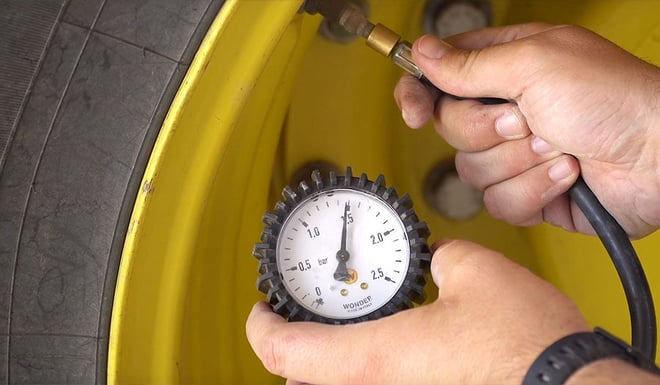
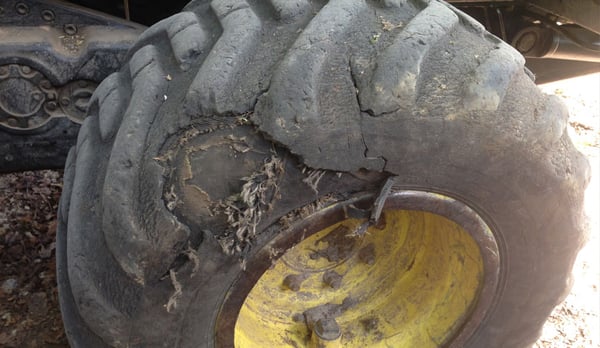
Farm equipment tires experience heavy loads and rough terrain.
Tire Maintenance Checklist
- Check tire pressure regularly
- Inspect tires for cracks or damage
- Rotate tires if necessary
- Replace worn tires promptly
Proper tire maintenance improves machine stability and fuel efficiency.
Proper Storage of Farm Equipment


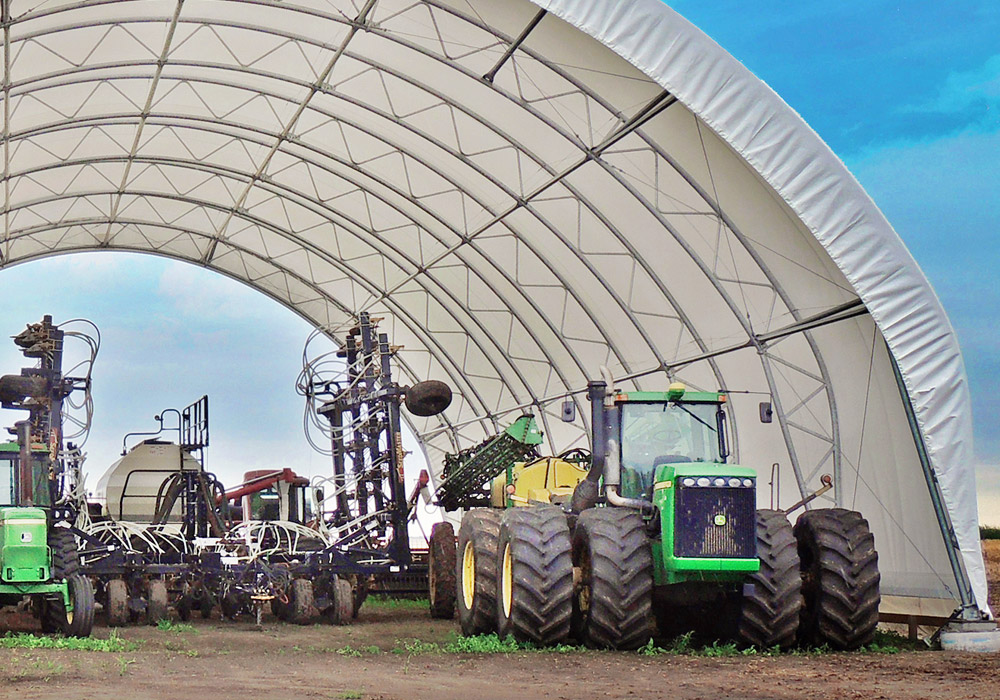
Correct storage protects farm equipment from environmental damage.
Storage Tips
- Store machines in covered sheds
- Protect equipment from rain and sunlight
- Remove mud and moisture before storage
- Disconnect batteries during long storage periods
Proper storage prevents rust, corrosion, and weather damage.
Common Signs Your Farm Equipment Needs Maintenance
Farmers should watch for early warning signs of mechanical issues.
Warning Signs
- Unusual engine noises
- Excessive smoke from exhaust
- Reduced engine power
- Hydraulic leaks
- Difficulty starting machinery
Addressing these issues early can prevent major repairs.
Frequently Asked Questions (FAQ)
How often should farm equipment be serviced?
Most farm machines should be serviced every 100–250 operating hours, depending on the manufacturer’s recommendations.
What is the most important maintenance task?
Checking engine oil and lubrication regularly is one of the most critical maintenance tasks.
How can farmers increase equipment lifespan?
Regular inspections, proper lubrication, and proper storage significantly extend equipment life.
Why is preventive maintenance important?
Preventive maintenance helps avoid unexpected breakdowns and reduces long-term repair costs.
Conclusion
Farm equipment maintenance is essential for ensuring long-lasting performance and reliable farming operations. Regular inspections, lubrication, tire care, and seasonal servicing help farmers extend the life of their machines and avoid costly repairs.
By following a proper farm equipment maintenance checklist, farmers can keep tractors, harvesters, and agricultural machinery running efficiently for many years.
Preventive maintenance not only saves money but also ensures smooth farm operations during critical planting and harvesting seasons.



Copyright 2025 © Nabtech Parts All right reserved. Powered by BuildEnzo.
