
10 Common Farm Equipment Problems and How to Fix Them
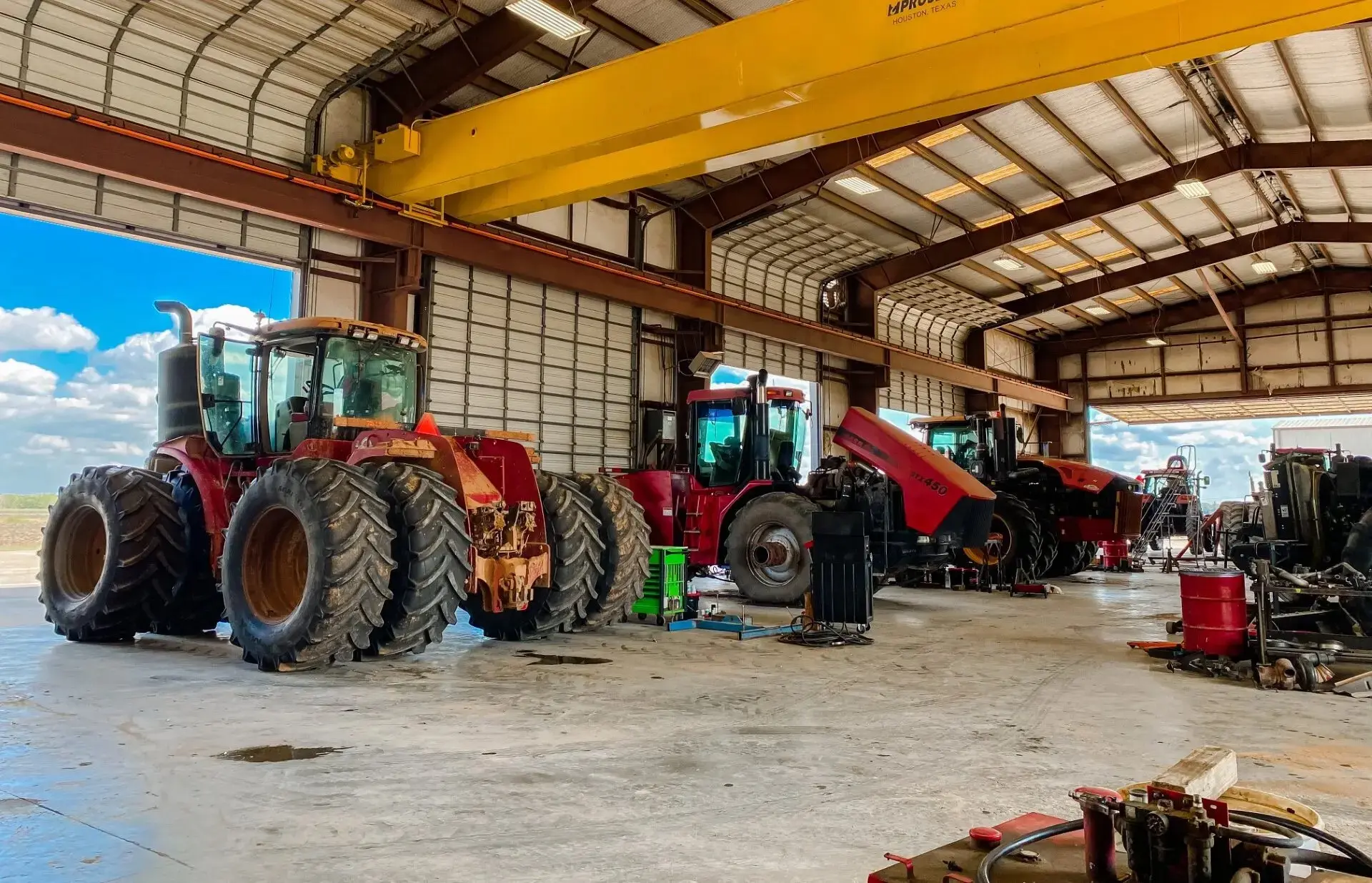
Learn the 10 most common farm equipment problems and how to fix them. Discover practical maintenance tips to keep tractors, harvesters, and agricultural machinery running efficiently.
Introduction
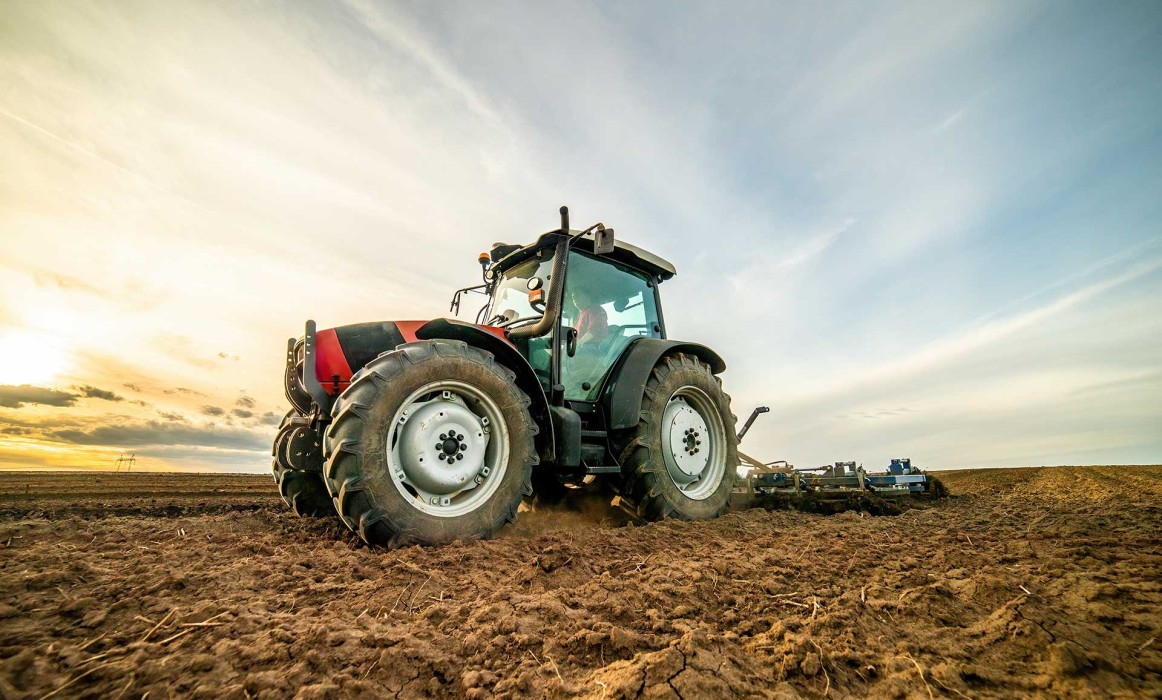
Farm equipment plays a vital role in modern agriculture. Machines like tractors, harvesters, seed drills, and sprayers help farmers complete tasks quickly and efficiently. However, like any mechanical equipment, farm machines can experience technical problems over time.
If these issues are not addressed quickly, they can lead to downtime during critical farming seasons, resulting in reduced productivity and financial losses.
Understanding the most common farm equipment problems and how to fix them helps farmers maintain their machines properly and avoid costly repairs.
In this guide, we will explore the 10 most common agricultural equipment problems, their causes, and practical solutions to keep your farm machinery running smoothly.
1. Engine Starting Problems

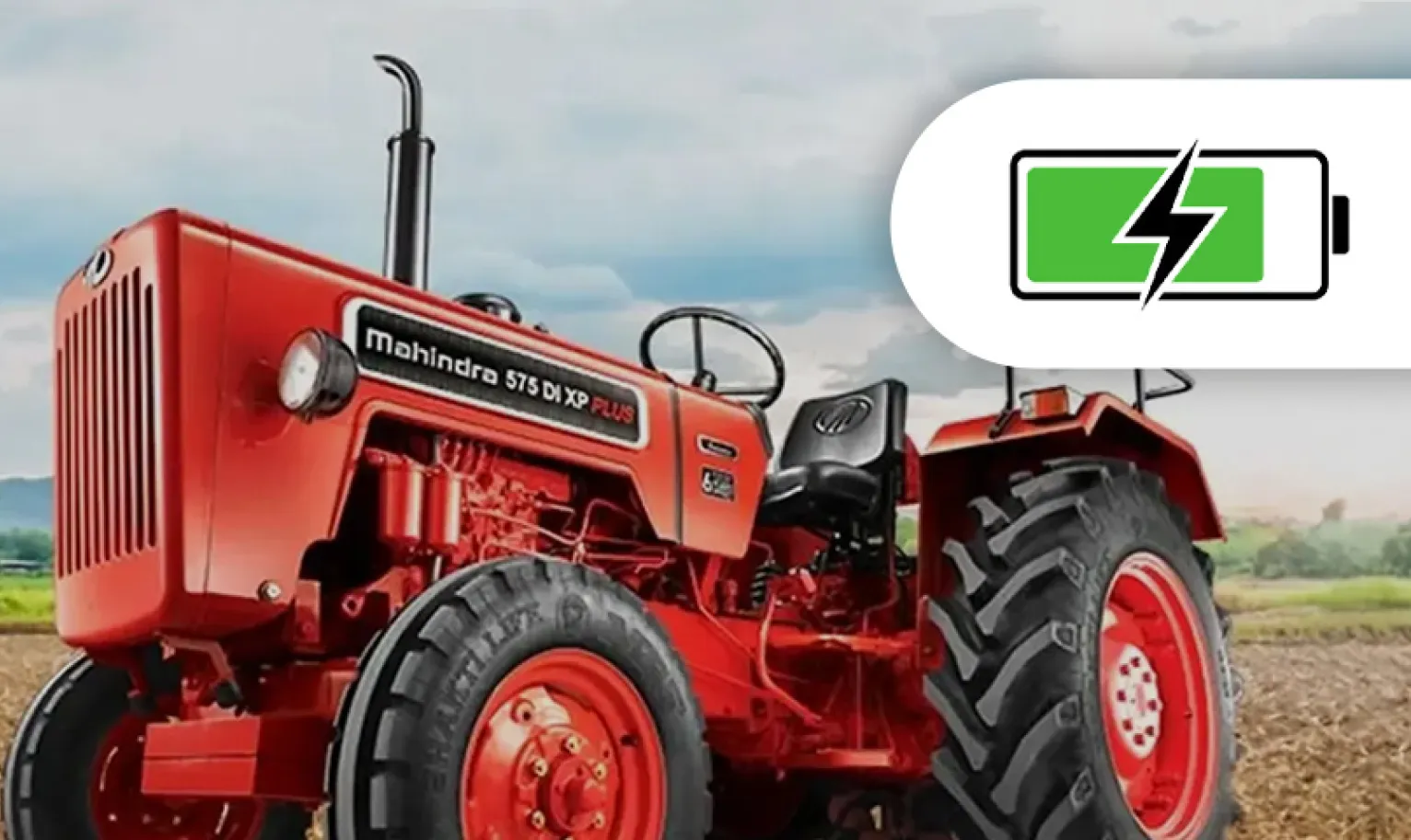
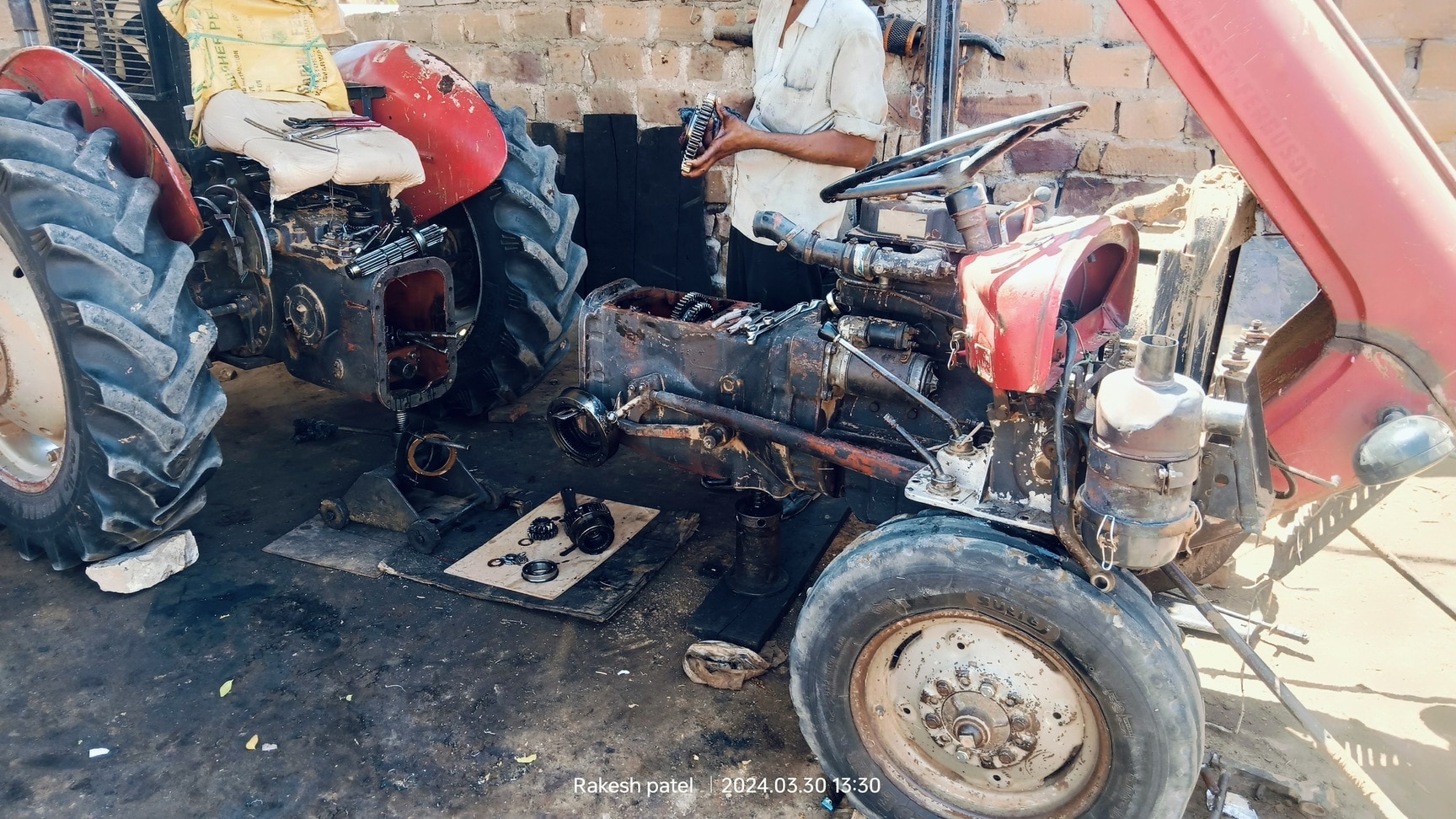
One of the most common issues farmers face is equipment that won’t start properly.
Possible Causes
- Weak or dead battery
- Dirty fuel filters
- Faulty starter motor
- Low fuel supply
How to Fix It
- Check and recharge the battery
- Replace clogged fuel filters
- Inspect the starter motor
- Ensure the fuel tank is filled
Regular engine inspections help prevent starting issues.
2. Hydraulic System Failure
Hydraulic systems power many farm equipment components such as loaders and lifting mechanisms.
Common Causes
- Hydraulic fluid leaks
- Low fluid levels
- Damaged hoses
- Worn hydraulic pumps
Solutions
- Check hydraulic fluid regularly
- Replace damaged hoses
- Fix leaks immediately
- Inspect hydraulic pumps
Maintaining hydraulic systems ensures smooth equipment operation.
3. Overheating Engines
Farm machines often operate for long hours in harsh environments, which can cause engines to overheat.
Causes
- Low coolant levels
- Dirty radiators
- Broken cooling fans
- Clogged air filters
Fix
- Check coolant regularly
- Clean radiator fins
- Replace damaged cooling fans
- Clean air filters
Preventing overheating protects engine components and improves machine lifespan.
4. Tire Damage and Wear


Farm equipment tires are exposed to rough terrain, heavy loads, and sharp objects.
Causes
- Overloading machinery
- Low tire pressure
- Sharp rocks or debris
- Uneven ground surfaces
Solutions
- Check tire pressure regularly
- Replace worn tires
- Avoid overloading equipment
- Inspect tires before field work
Proper tire maintenance improves machine stability and fuel efficiency.
5. Fuel System Issues
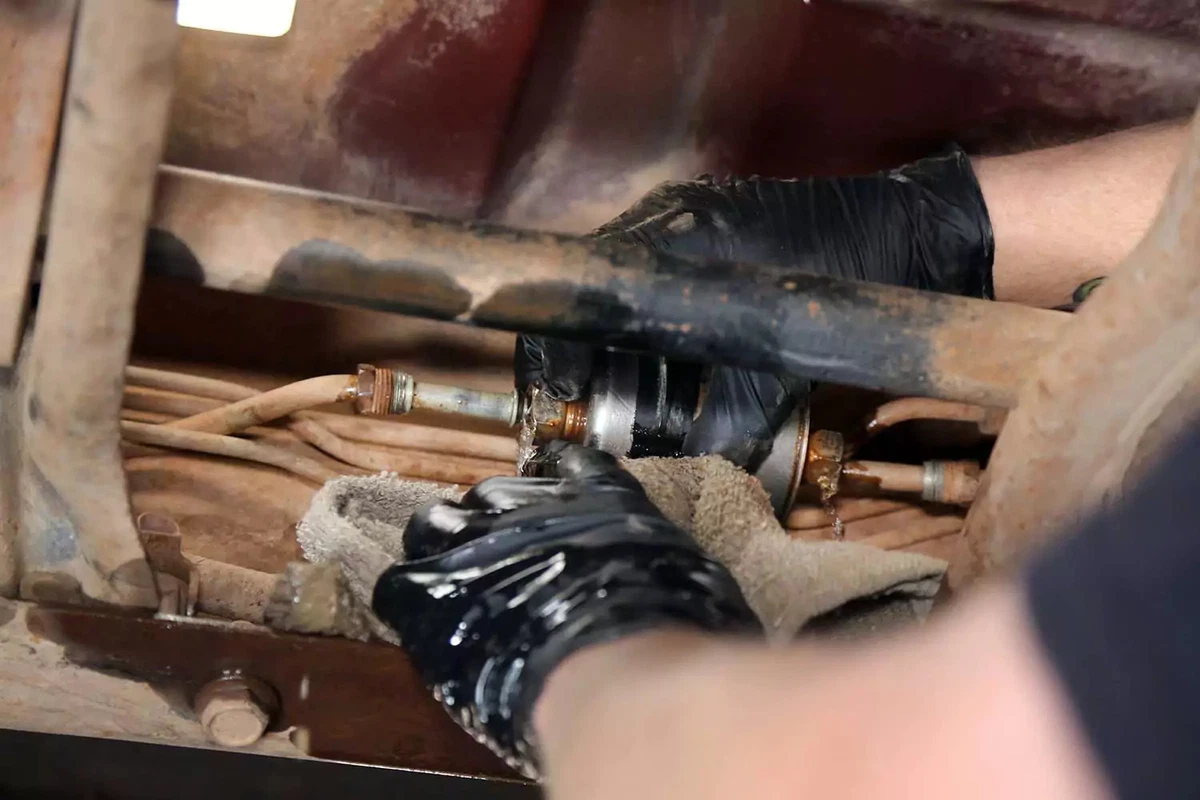
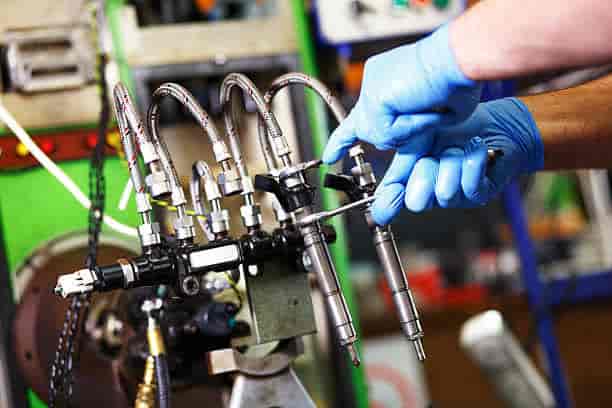
Fuel system problems can reduce engine performance.
Causes
- Contaminated fuel
- Clogged fuel filters
- Faulty fuel injectors
- Air in fuel lines
Fix
- Replace fuel filters regularly
- Use clean diesel fuel
- Bleed air from fuel lines
- Inspect injectors
Maintaining a clean fuel system ensures efficient engine performance.
6. Electrical System Failures


Electrical problems can affect lighting systems, ignition systems, and sensors.
Causes
- Corroded wiring
- Faulty fuses
- Weak battery connections
- Damaged electrical components
Solutions
- Inspect electrical wiring regularly
- Replace blown fuses
- Clean battery terminals
- Repair damaged cables
Routine electrical maintenance helps prevent unexpected equipment failures.
7. Transmission Problems
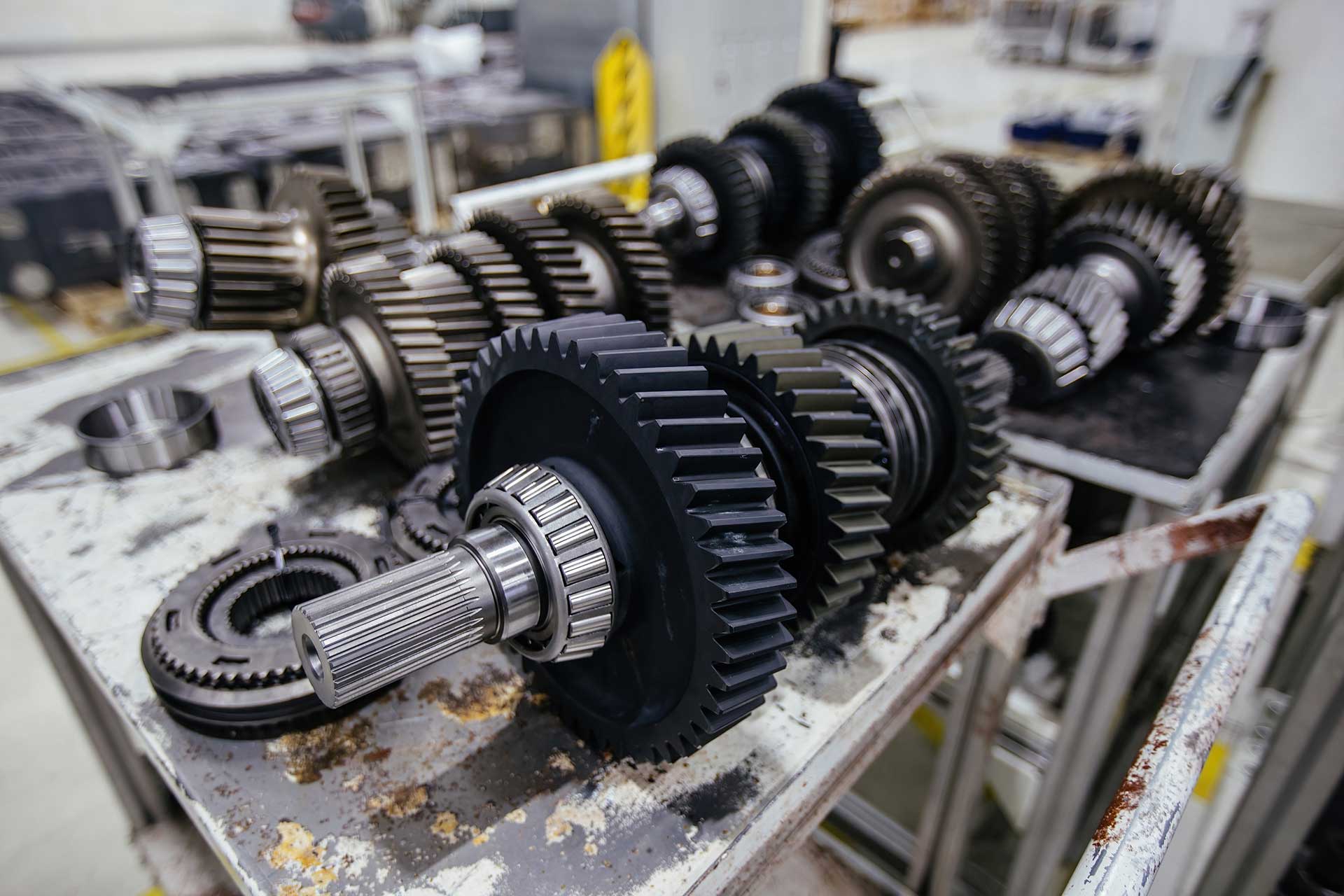
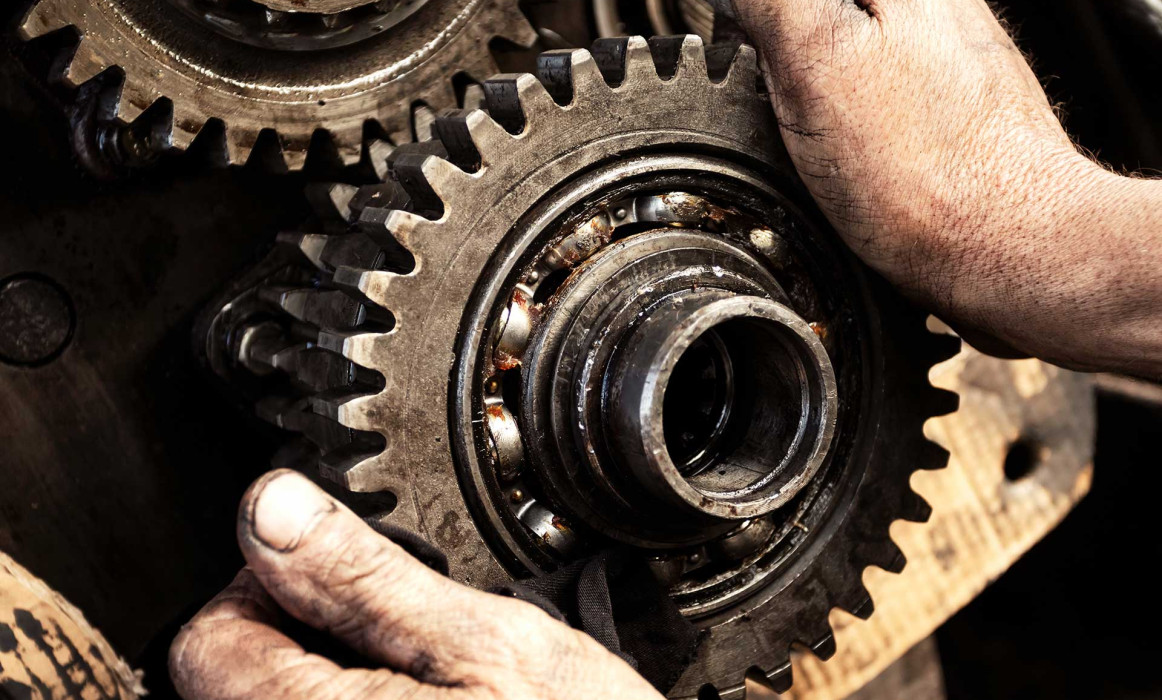
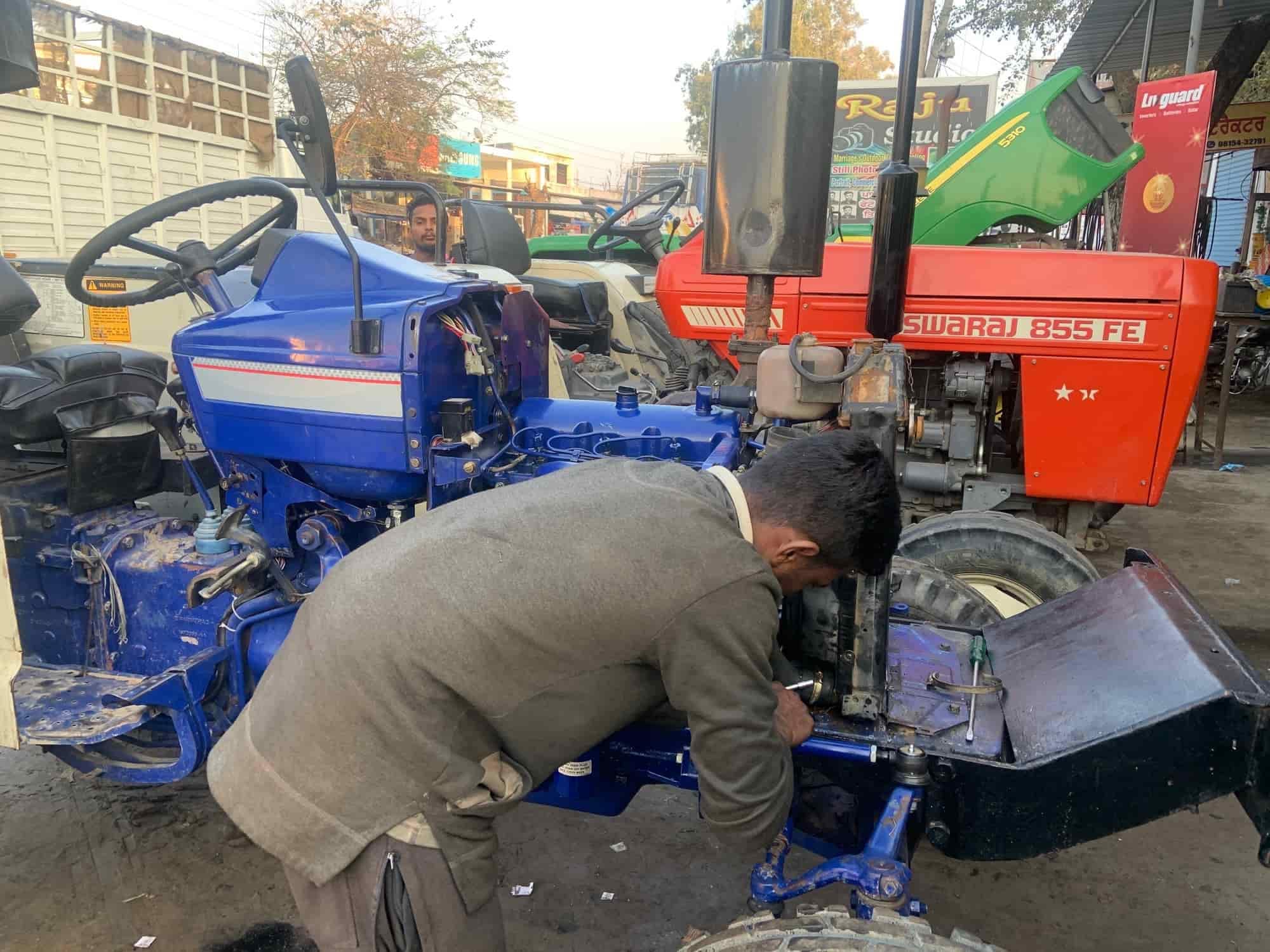
Transmission systems transfer engine power to the wheels and implements.
Causes
- Low transmission fluid
- Worn gears
- Damaged clutch plates
- Poor lubrication
Fix
- Check transmission fluid levels
- Replace worn gears
- Service clutch systems regularly
- Lubricate moving parts
Regular servicing helps maintain smooth gear operation.
8. Clogged Air Filters
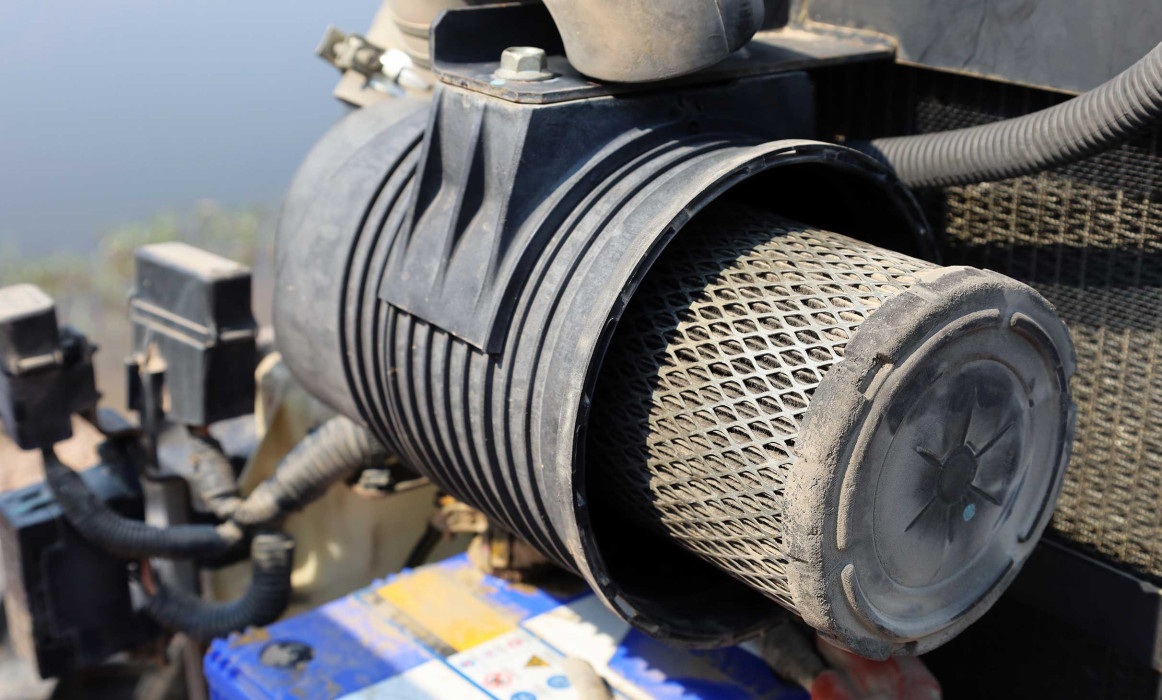


Dusty farm environments often cause air filters to clog.
Effects
- Reduced engine performance
- Increased fuel consumption
- Engine overheating
Solution
- Clean air filters frequently
- Replace filters when necessary
- Inspect intake systems regularly
Clean air filters improve engine efficiency and fuel economy.
9. Poor Lubrication

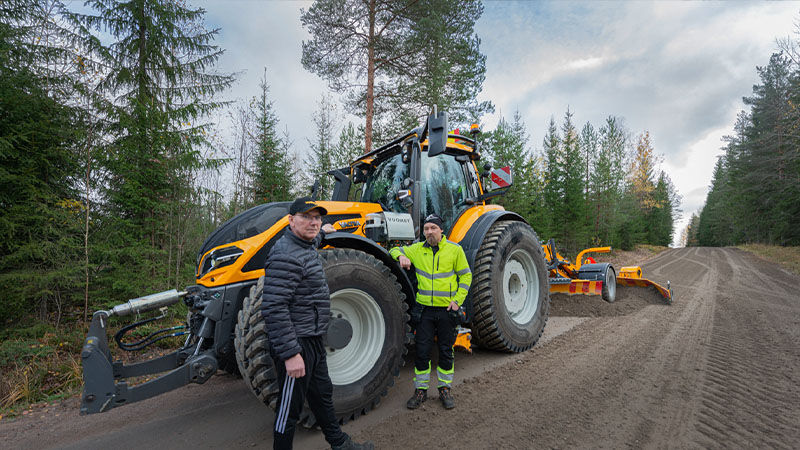
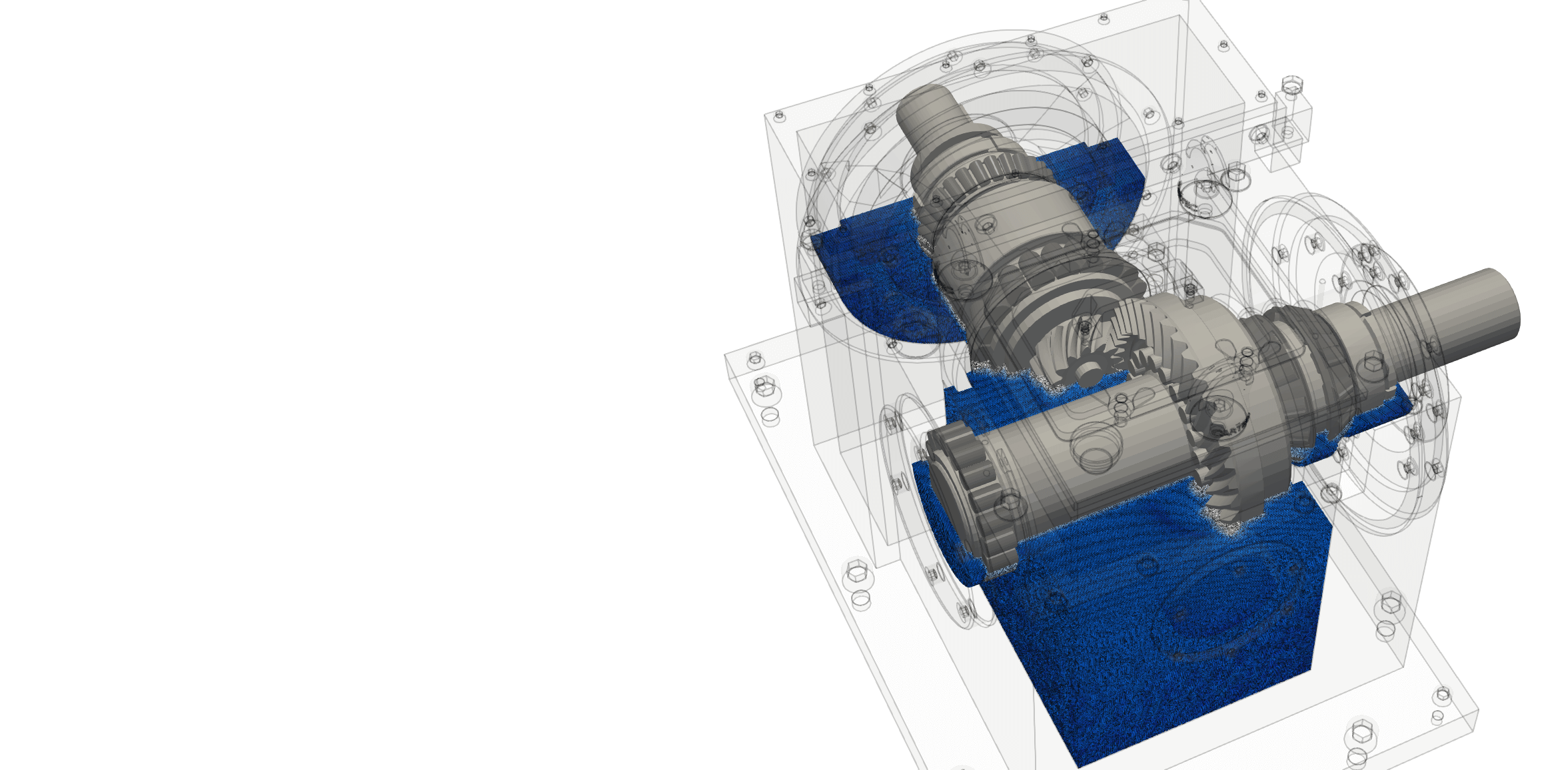
Lack of lubrication can damage mechanical components.
Causes
- Infrequent maintenance
- Low oil levels
- Poor quality lubricants
Fix
- Check oil levels regularly
- Use recommended lubricants
- Lubricate moving parts frequently
Proper lubrication reduces friction and extends equipment life.
10. Rust and Corrosion

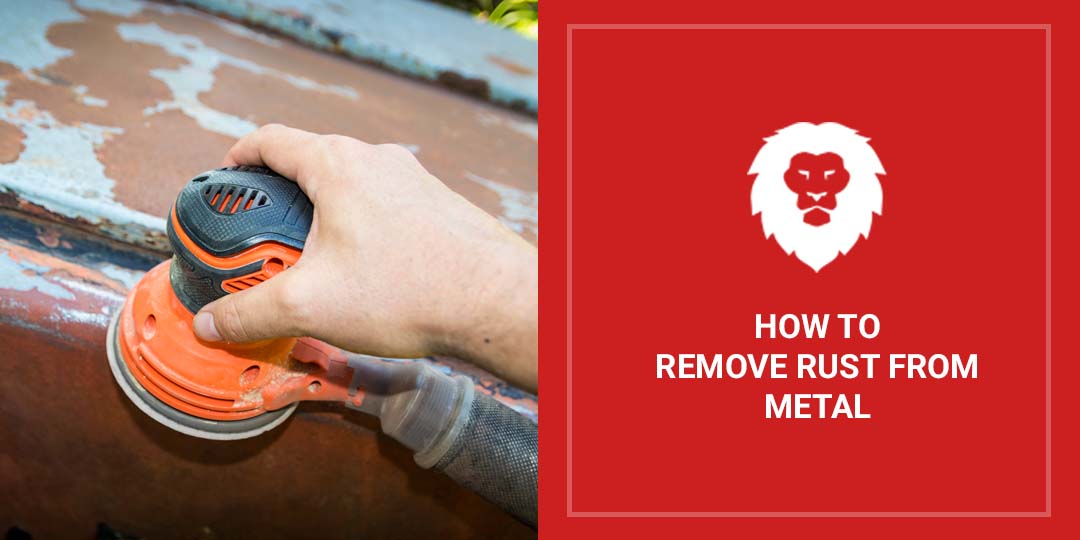

Farm equipment is often exposed to moisture, fertilizer, and chemicals that can cause rust.
Prevention Tips
- Store equipment in covered areas
- Clean machines after use
- Apply protective coatings
- Paint exposed metal surfaces
Preventing rust helps maintain equipment durability.
Preventive Maintenance Tips for Farm Equipment
To reduce equipment problems, farmers should follow a regular maintenance routine.
Maintenance Checklist
- Inspect machinery before each use
- Clean equipment after fieldwork
- Replace worn parts promptly
- Check fluid levels regularly
- Follow manufacturer maintenance schedules
Preventive maintenance saves money and reduces unexpected breakdowns.
Frequently Asked Questions (FAQ)
What is the most common farm equipment problem?
Engine starting issues and fuel system problems are among the most common farm machinery problems.
How often should farm equipment be serviced?
Most farm machines should be serviced every 100–250 operating hours depending on manufacturer recommendations.
How can farmers extend equipment life?
Regular maintenance, proper storage, and timely repairs help extend the lifespan of farm machinery.
Why is preventive maintenance important?
Preventive maintenance helps reduce downtime, avoid costly repairs, and ensure smooth farming operations.
Conclusion
Farm equipment problems are inevitable, but understanding common issues and their solutions helps farmers maintain their machinery effectively. Problems like engine failure, hydraulic leaks, overheating, tire damage, and electrical issues can be prevented with regular inspections and maintenance.
By implementing a proper maintenance routine, farmers can extend the lifespan of their machines, reduce repair costs, and ensure smooth farming operations throughout the year.
Proper care of agricultural equipment not only improves productivity but also helps farmers avoid costly downtime during critical farming seasons.




Copyright 2025 © Nabtech Parts All right reserved. Powered by BuildEnzo.
