
Manual vs Automatic Farm Equipment: Which is Better?

Manual vs automatic farm equipment: which is better for modern agriculture? Compare traditional farming tools with modern automated machinery to choose the best option for your farm.
In this article, we’ll dive into Mitolyn reviews, explore how it works at the cellular level, reveal the ingrIntroduction
Agriculture has evolved significantly over the past century. Farmers once relied entirely on manual labor and simple tools, but today advanced automated machines are transforming farming practices.
One of the most common questions farmers ask is: Manual vs automatic farm equipment — which is better?
Both types of farming equipment have their own advantages and disadvantages. Manual tools are affordable and suitable for small farms, while automatic machinery increases efficiency and productivity on larger farms.
In this guide, we will compare manual and automatic farm equipment, their benefits, limitations, and which option is best depending on farm size, budget, and farming goals.
What is Manual Farm Equipment?
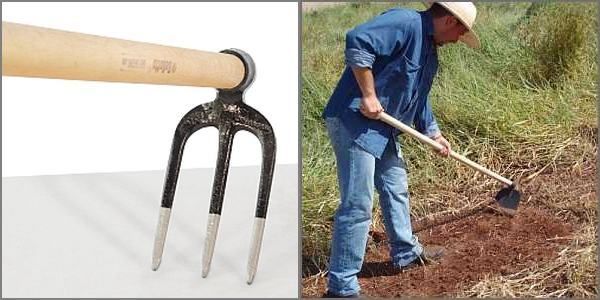


Manual farm equipment refers to traditional farming tools operated completely by human effort. These tools do not require engines, electricity, or fuel.
Common Examples of Manual Farm Equipment
- Hoe
- Sickle
- Shovel
- Rake
- Hand trowel
- Wheelbarrow
Advantages of Manual Farm Equipment
Low Cost
Manual tools are inexpensive and accessible for most farmers.
Simple to Use
These tools require minimal training and are easy to operate.
Low Maintenance
Manual tools rarely break down and require minimal repairs.
Ideal for Small Farms
Perfect for small-scale agriculture, gardens, and vegetable farms.
Disadvantages of Manual Farm Equipment
- Labor intensive
- Slower farming operations
- Limited productivity
- Difficult for large-scale farms
What is Automatic Farm Equipment?


Automatic farm equipment refers to machines powered by engines, electricity, or advanced technology that perform farming tasks with minimal human effort.
Examples of Automatic Farm Equipment
- Tractors
- Combine harvesters
- Seed drills
- Power tillers
- Automated irrigation systems
- Agricultural drones
Advantages of Automatic Farm Equipment
Higher Productivity
Machines perform tasks much faster than manual labor.
Reduced Labor Requirements
Automated equipment reduces the need for large labor forces.
Better Efficiency
Modern machines perform tasks with precision and consistency.
Large Farm Management
Automatic equipment allows farmers to manage large farms efficiently.
Disadvantages of Automatic Farm Equipment
- High purchase cost
- Requires technical knowledge
- Regular maintenance needed
- Fuel or electricity required
Key Differences Between Manual and Automatic Farm Equipment
| Feature | Manual Farm Equipment | Automatic Farm Equipment |
|---|---|---|
| Cost | Low | High |
| Productivity | Lower | Much higher |
| Labor Requirement | High | Low |
| Maintenance | Minimal | Moderate to high |
| Farm Size Suitability | Small farms | Medium to large farms |
| Speed of Work | Slow | Fast |
This comparison clearly shows that the choice depends largely on the size of the farm and available budget.
Which Equipment is Better for Small Farms?
Small farms often benefit from manual tools or compact machinery.
Why Manual Tools Work for Small Farms
- Lower investment required
- Easier to maintain
- Suitable for vegetable farming
- Ideal for small land areas
However, small farmers are increasingly adopting compact automated machines like mini tractors and power tillers to improve efficiency.
Which Equipment is Better for Large Farms?
Large farms require high productivity and efficiency, making automatic equipment the better choice.
Advantages for Large Farms
- Faster cultivation
- Large field coverage
- Efficient harvesting
- Reduced labor dependency
Large agricultural operations rely heavily on tractors, harvesters, and precision farming technologies.
Hybrid Farming: Combining Manual and Automatic Tools
Many modern farms combine both manual and automated equipment.
Example
A farm might use:
- Tractors for plowing
- Seed drills for planting
- Manual tools for weeding and maintenance
This balanced approach allows farmers to reduce costs while improving efficiency.
Future of Farm Equipment
Agriculture is moving toward smarter and more automated solutions.
Emerging Agricultural Technologies
- Autonomous tractors
- AI-powered crop monitoring
- Agricultural robots
- Smart irrigation systems
- IoT-enabled farm equipment
These technologies will continue to transform farming and improve global food production.
Frequently Asked Questions (FAQ)
What is the difference between manual and automatic farm equipment?
Manual equipment requires human effort to operate, while automatic machinery uses engines or technology to perform tasks.
Which farming equipment is more cost-effective?
Manual tools are cheaper initially, but automatic equipment can be more cost-effective over time due to higher productivity.
Can small farmers use automatic farm equipment?
Yes, small farmers can use compact machines like mini tractors, power tillers, and small seed planters.
Is automatic farming the future of agriculture?
Yes, automation and smart farming technologies are expected to play a major role in the future of agriculture.
Conclusion
Both manual and automatic farm equipment play important roles in modern agriculture. Manual tools remain essential for small farms and specialized tasks, while automated machines are crucial for large-scale farming operations.
The best choice depends on factors such as farm size, budget, labor availability, and farming goals.
By selecting the right combination of manual tools and modern machinery, farmers can increase productivity, reduce labor costs, and improve overall farm efficiency.


Copyright 2025 © Nabtech Parts All right reserved. Powered by BuildEnzo.
